- PreSeed Now
- Posts
- 10 startups creating a buzz over the past 12 months
10 startups creating a buzz over the past 12 months
Which startups we’ve covered made the biggest impression on readers?

Martin SFP Bryant
April 21, 2026
Sponsored by


Every quarter, we take stock of the startups we’ve covered over the past 12 months to see which ones generated the most buzz among our readers.
As ever, this list is calculated via a combination of views and shares over a rolling 12-month period.
Who made the list? Read on and find out….
– Martin

AI can do a lot, but most AI newsletters leave you wondering what’s actually worth trying.
That’s where The Shift comes in. They don’t just tell you “what’s new” in AI.
Every edition answers one question: What can you do with AI today that saves you time, money, or effort?
You’ll see real-world examples, step-by-step mini-guides, and instantly usable prompts under 5 minutes a day.
Plus free access to 3,000+ AI tools and 1000+ mega prompts so you can apply what you learn right away.
No hype, no wasted time, and no “just in case” news. If it’s in The Shift, it’s because it can make your work better today.
And right now, 3 subscribers win a free 1-year Claude Pro subscription. One click to enter.
10 startups creating a buzz over the past 12 months
…based on reads and shares on PreSeed Now:
Nafura
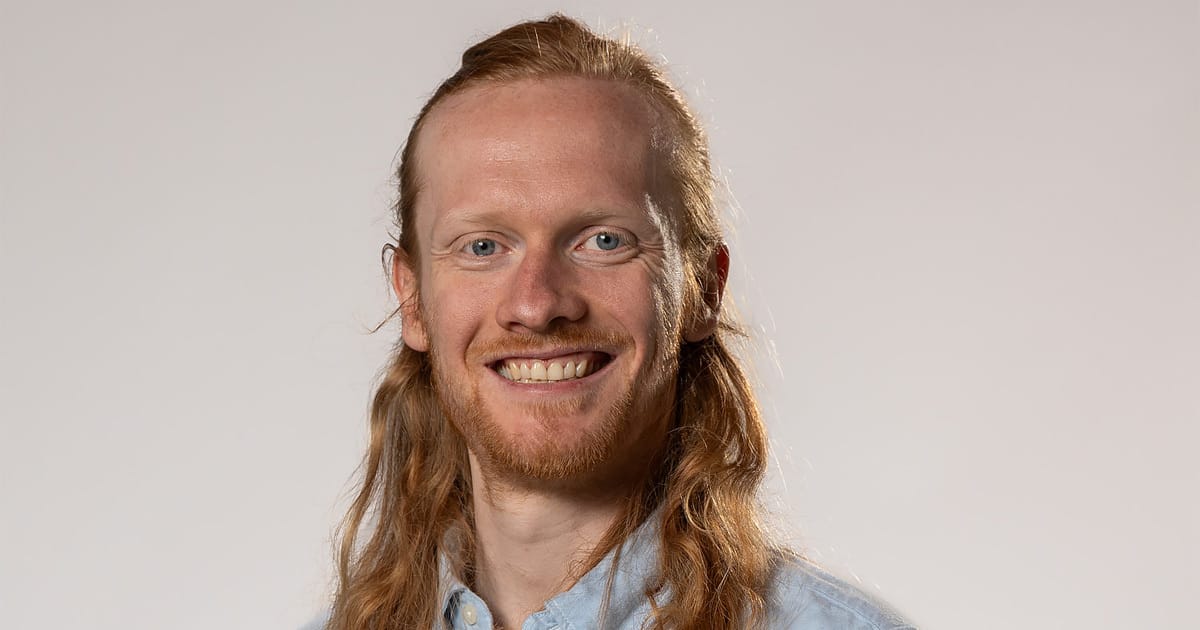
“We're living in 2025 and we've got advanced quantum computing and we can land a rocket on a floating barge, but when you look at what we're doing in terms of wastewater, it’s so archaic,” argues Harry Brooksbank, co-founder of Nafura, a brand new startup taking a fresh approach to dirty water.
Nafura’s approach harnesses a process called plasma gasification, which is already used to treat other forms of waste.
The idea is that wastewater is pumped through Nafura’s device, where it is blasted by a plasma torch in a thermal plasma gasification process.
“We can destroy any contaminant. It doesn't matter if it's biological, chemical, or even physical microbes - solvents, nasty pesticides, or even microplastics. We can destroy them all in situ,” Brooksbank explains.
They also now have a really cool website.
Location: Derby
Concepto NIPT
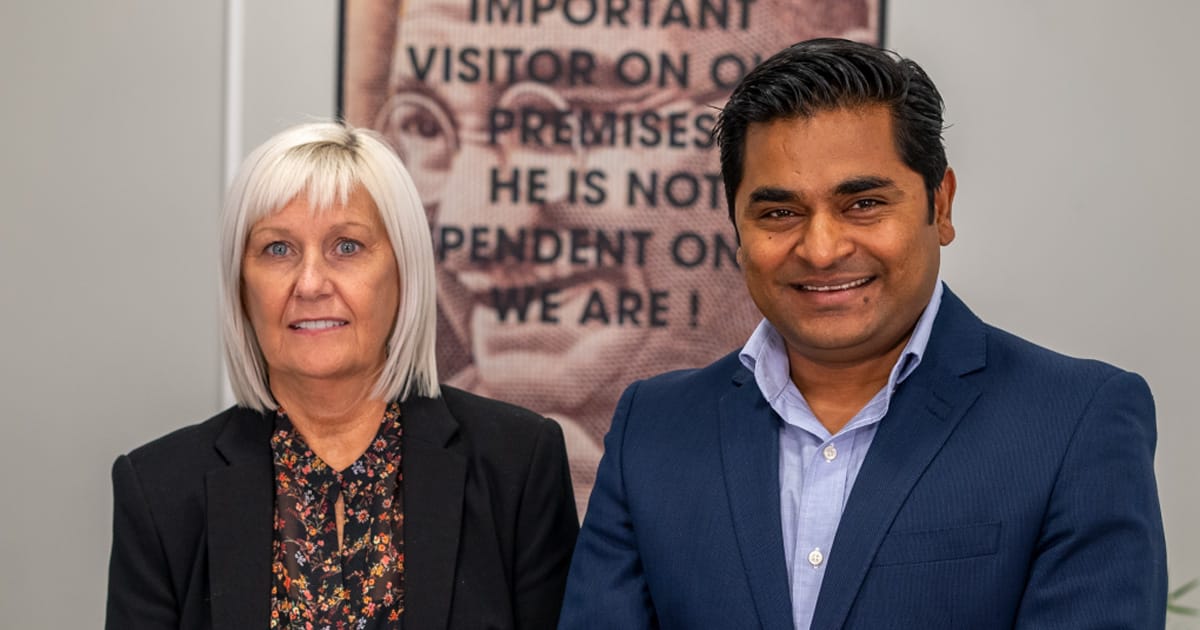
Concepto NIPT co-founders Eileen Flatley and Atal Malviya
Non-invasive prenatal testing (NIPT) is a popular way of checking unborn babies for genetic anomalies early in a pregnancy. But the cost to deliver these tests means they aren’t accessible to all who could benefit from them.
Now Concepto NIPT is developing a new version of the test that could significantly cut costs. This could open the tests up to many more people around the world, including in developing nations. It could also potentially make them available to more NHS patients in the UK than is currently the case.
To do this, the company aims to bridge the gap between two existing ways of conducting NIPT tests.
Currently there’s a choice between NGS-based (next-generation sequencing) tests or PCR (polymerase chain reaction) tests. NGS tests are expensive but incredibly accurate, while PCR tests cost less but are far less accurate.
Concepto NIPT co-founder Atal Malviya says an algorithm being developed by the company will combine the accuracy of NGS with the cost benefits of PCR.
Location: Watford
PreSeed Now profiles super-early-stage B2B and deep tech startups you need to know about every Tuesday and Thursday.
Get it in your inbox for free:
Astut
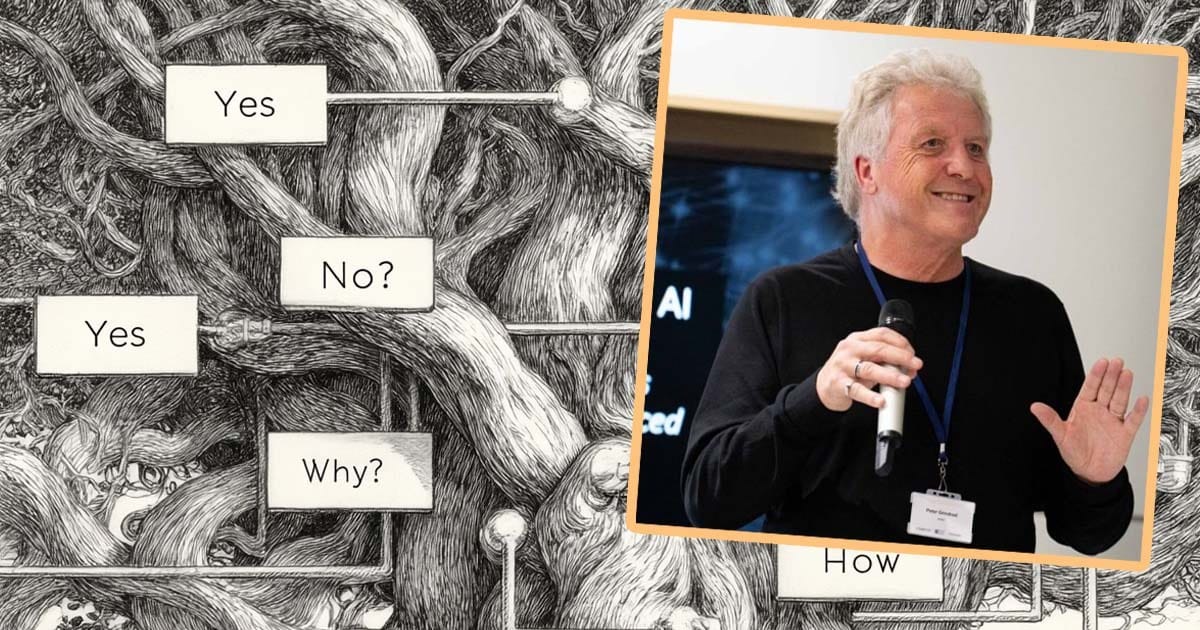
AI can be great for using data about the past to guide similar decisions in the future. Want to predict the best delivery routes for a logistics business? Want to figure out the best target audience for your new ad? Enough data and the right software, and you’re sorted.
But what about important, strategic decisions you’ve never made before, where there isn’t any data? AI will typically struggle to give you much in the way of useful guidance.
That’s where Astut, a new Oxford University spin-out, wants to step in by assisting with what it calls ‘High Stakes Unseen Decisions’.
As an example of how Astut will work, imagine a retailer considering a significant business pivot into a new vertical. As they decide whether or not to make this significant move, they use Astut’s technology.
The product uses natural language inputs, allowing the user to explain what they’re planning to do, and the constraints they have. For example, they might include that the solution has to be legal, sufficiently profitable, aligned with the company’s brand values, and feasible with the available technology stack.
Inputs can include hundreds or thousands of constraints, and there is support for industry-specific terminology.
Outputs might advise users on what to do, accompanied with a list of reasons why. Conversely, it might provide a list of reasons why the user’s proposed action is a bad idea. It’s about providing insightful, reasoned options.
Location: Oxford
Neurovirse
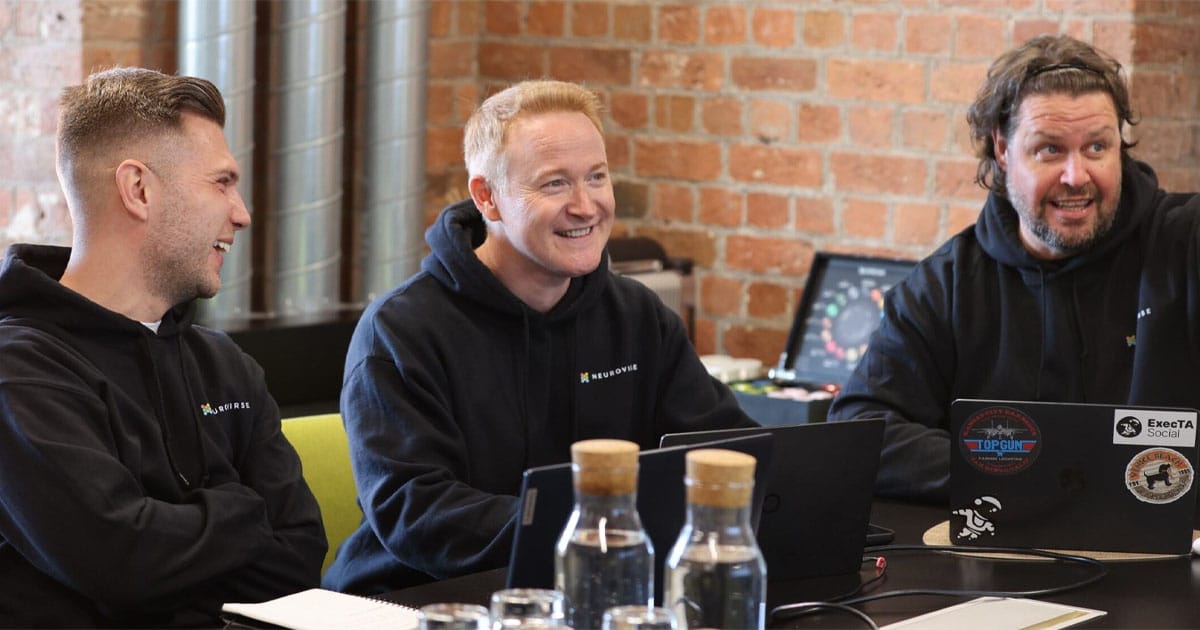
Research shows far higher levels of unemployment and underemployment among neurodivergent people than the general population.
Employers have good reasons to hire more neurodivergent people, says Mike Hulse, CEO and co-founder of Neurovirse, a startup that aims to connect employers with neurodiverse candidates.
Aside from it just being a good thing to do, Hulse says employers are missing out on strong candidates if they don’t specifically target the neurodiverse population.
Neurovirse allows neurodivergent people to register with its platform. They answer 90 questions in an assessment Hulse says takes around 10 minutes to complete. They don’t need a formal diagnosis to take part, just a personal suspicion is enough, and there’s no charge to be on the platform. Neurovirse’s tech then matches them with job vacancies that fit their particular circumstances.
Rather than rely on CVs, Neurovirse creates a ‘success profile’ for each candidate, showing the employer why they’re a good fit for their specific vacancy.
Location: Liverpool
Qronon

Qronon co-founders Osama Ahmed and Sallar Ali Qazi
Precise weather forecasts can be business-critical for sectors like aviation, agriculture, logistics, energy, construction, and insurance. But forecasting accurately beyond 10 days or so into the future is challenging, to say the least.
The butterfly effect means a tiny atmospheric change somewhere in the world can cause a chain of reactions that can be difficult to predict with existing models and computational power.
Qronon is harnessing the emerging world of quantum technology with the aim of making longer-range forecasts more accurate up to three or four weeks. This will allow for better long-term planning for businesses, and potentially more time to prepare for extreme weather long before it arrives.
Co-founders Osama Ahmed and Sallar Ali Qazi are using quantum reservoir computing to develop a new approach to modelling the weather. This draws on quantum algorithms to build upon what is possible with classical reservoir computing.
Location: London
Enjoying PreSeed Now?
Get more from us and support us to keep bringing you startups and viewpoints from the early-stage startup world.
Rightbrain

Rightbrain has adjusted its positioning since we covered it in 2025. It’s now designed to help teams deploy AI agents and tooling directly into the platforms they already use.
Co-founder Peter Cheyne explains: "We allow teams to build custom AI capabilities for their specific use cases and integrate them into their workflows.
"The real challenge isn't building an AI prototype. The hard part is getting AI to perform consistently, integrating it into existing systems, and doing all of that in a way that doesn't require a dedicated AI team. Most businesses don't have that, and they shouldn't need one.
"What we see repeatedly is a disconnect between the people who understand the business problem and the people who can technically deliver AI solutions. Operational leaders know exactly where AI could help, but they're stuck waiting on engineering resources or buying off-the-shelf tools that don't fit their specific needs.
"That's where we come in. We collapse the gap between understanding a problem and having a working AI solution. Not a demo or proof of concept. Actual AI capabilities running inside the platforms teams already work in, configured for their terminology, their business rules, their edge cases.”
Rightbrain says it is being used by go-to-market teams to automate CRM research, legal teams to streamline vendor reviews, and operations teams to speed up candidate onboarding.
Location: Newcastle-upon-Tyne
CircKit

‘Circular fashion’ is easily thought of as a buzz-phrase used by people who want to market their clothing brands as having green credentials. But thanks to recent and emerging legislation in the EU, UK, and beyond, sustainability is a serious business concern for many brands these days.
CircKit thinks it has the answer to the admin and process headaches this creates. It’s designed for use by brands, integrating with their existing processes.
The software can slot in at the start of the development journey for new products, or can ingest historical data from collections and ranges. This can be structured or unstructured data (“even the biggest brands are still on spreadsheets”), and a range of software systems.
The data is then processed with machine learning to figure out relevant factors such as the locations of suppliers, the processes they use, the bill of materials, and much more.
Location: Manchester
Eutechtics

Eutechtics co-founders Mauricio Murillo and Armando Leal Puente
Increasing environmental regulations are putting pressure on European players in the space. Competitors in parts of the world with a more laissez-faire attitude to the future of the planet don’t have to worry about increasing overheads from regulatory compliance, and they often enjoy cheaper energy costs, too.
Enter Eutechtics, which aims to “decarbonise the chemicals sector” with a product it calls EvoCarbon.
The startup is focused, for now, on a sector of the market that produces carboxylic acids. EvoCarbon converts captured CO2 into these acids, which are used in a wide range of foods, drinks, and pharmaceutical products.
“We are trying to decarbonise an industry that has not been moving from fossil fuel dependency. The other problem that is people are capturing CO2, but how can they use that CO2 in a more efficient way? So we’re tackling two problems,” says co-founder Armando Leal Puente.
“We are replacing the petrochemical feedstock that all these acids use. We are using carbon dioxide and this process is enabled by our new generation of green solvents.”
Puente says the process is more efficient than others on the market, offering a reduction of energy consumption of up to 50%. What’s more, the startup’s single ‘modular’ process can produce multiple acids with simple tweaks, as opposed to requiring a separate process for each acid.
Location: Sheffield
Thunderstone

Thunderstone founder and CEO Eric Wasson Burns
Mining is typically an ugly business, involving digging huge chunks out of the landscape and lots of explosives.
So what if you could extract metals from the ground without the actual mine? That’s the promise of Thunderstone.
“Mine sites are terribly inefficient and we don't have the metals our energy transition requires,” says founder and CEO Eric Wasson Burns.
He explains that metals like copper, nickel, and cobalt tend to be dispersed over a large area underground. So rather than blasting the rocks and then processing them to access the metals, Thunderstone can extract the metal in a far more efficient way.
“Our technology fundamentally transforms what the mine site looks like. We keep the rocks underground. Instead of excavating with bombs and creating a bunch of waste, we can build out a process that's clean, cheaper, and faster, using what we like to call ‘underground lightning’,” Burns says.
This ‘underground lightning’ (the ‘thunder among the stones’, if you like) is high-voltage electricity that increases permeability underground. Fluids can then be pumped into the ground to extract metals in a far more efficient way than would otherwise be possible.
Location: San Francisco (founded at Deep Science Ventures, UK)
Meshed
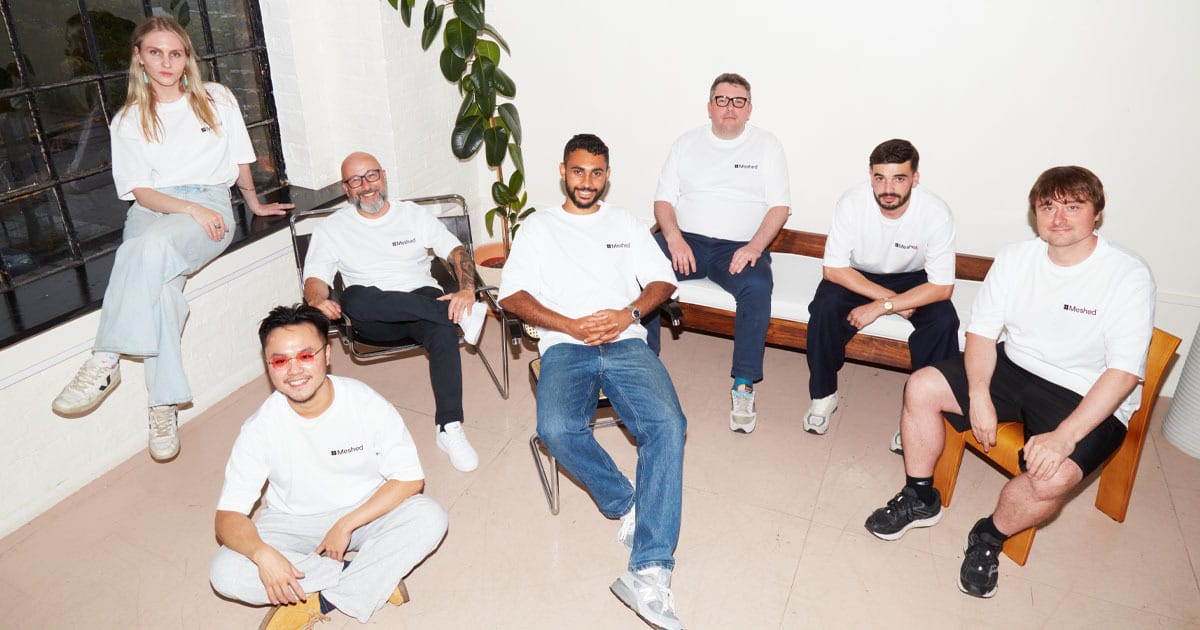
Insurance is one of those overheads that every sensible business needs, and often legally requires. But being suitably insured at the right price can be a challenge for SMEs.
“Whether it's Aviva, or AXA, or Zurich, or Royal and Sun Alliance, they all estimate that between 50% to 80% of SMEs in the UK are under-insured, which means that in the event of a catastrophic loss, they have a much higher propensity never to get trading again,” says Mark Costello, CEO of Meshed, an early-stage startup looking to tackle this problem with its fresh take on insurance brokerage.
Meshed is using technology to optimise the processes a broker goes through to source and sell insurance to a business, claiming to cut the quoting process from one hour to just nine minutes.
“We are using AI and automation to release a lot of the time wastage in commercial insurance, which allows us to pass the savings of that back to the customer,” Costello explains.
In practice, a big part of this means taking a lot of the legwork out of the data collection needed to provide insurance cover, and then keeping an eye on how that data changes over time to ensure the level of cover remains appropriate over time.
Location: Remote across the UK. CEO in Glasgow